Why Proactive Press Control Upgrades Are Crucial for Modern Stampers
July 29, 2026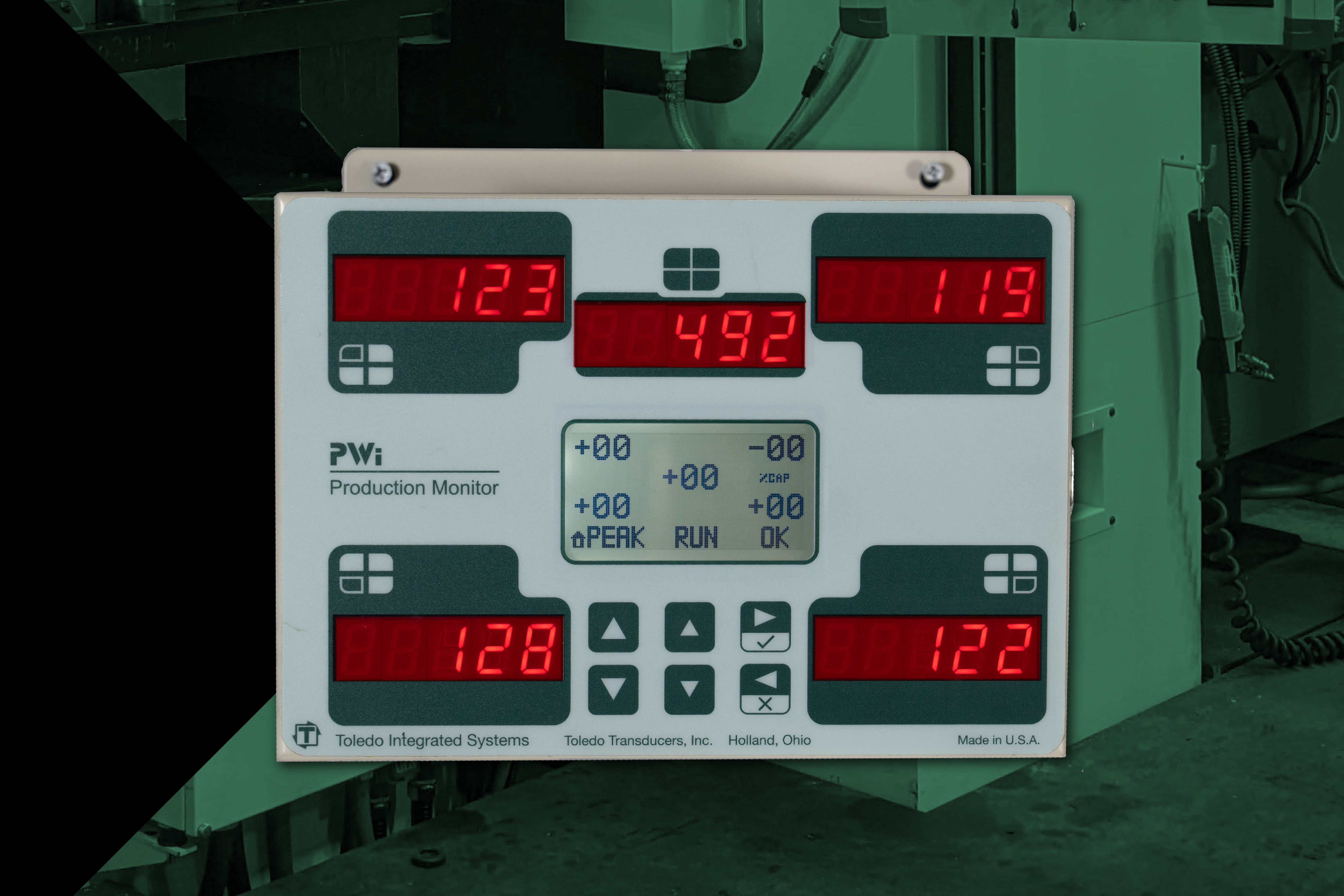
Protect Your Press and Dies: Why Accurate Tonnage Calibration Isn’t Optional
August 4, 2026Why Proactive Press Control Upgrades Are Crucial for Modern Stampers
July 29, 2026Protect Your Press and Dies: Why Accurate Tonnage Calibration Isn’t Optional
August 4, 2026How to Eliminate Press Downtime with Proper Tonnage Calibration
In modern metal-stamping operations, sensor-laden dies and advanced press controls do an incredible job of identifying malfunctions before they cause catastrophic failures. However, a control system is only as effective as the human response to it.
When production deadlines loom, the temptation to quickly clear a fault and hit "Reset" is high. But rushing to resume production without addressing the root cause is a recipe for disaster. Our team at Toledo Integrated Systems looks at real-world shop floor scenarios to explain why bypassing diagnostics hurts your bottom line—and how smart control strategies can protect your equipment.
The High Cost of the "Quick Fix"
"When a press stops, every minute of downtime costs money. But bypassing a fault to keep the line moving frequently leads to much more severe mechanical damage and extended outages down the road."
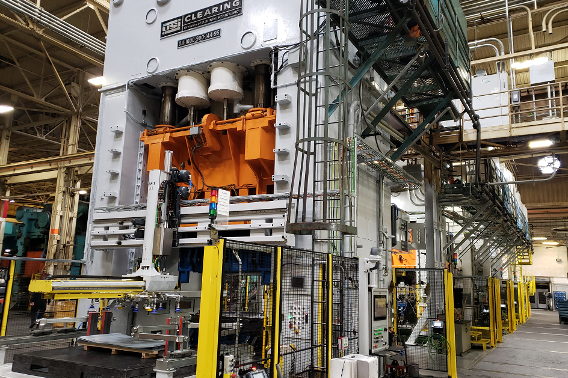
"A 1,000-ton straightside press began triggering frequent reverse-tonnage faults, primarily on its right side," recalls Chad Emch, Controls Manager at Toledo Integrated Systems. “After several days of unsuccessful troubleshooting, the metal former chose to disable the tonnage-monitoring system. Approximately one month later, significant mechanical damage was discovered: the right-side eccentric key had failed, allowing the press shaft connection to spin completely.”
Had the issue been accurately diagnosed early on, the repair costs and downtime would have been a fraction of the final bill. The lesson is clear: Never bypass diagnostic systems, and always involve qualified personnel to investigate anomalies immediately.
Stopping the Danger of "Nuisance Faults"
Repeated "nuisance" faults—often caused by a misaligned or poorly placed sensor—frustrate operators and interrupt steady production. When these systems repeatedly stall a line, operators or team leaders frequently bypass the sensors to maintain throughput.
Emch notes this exact scenario occurred on a 2000-ton mechanical press. An operator bypassed a misaligned sensor to stop unnecessary stoppages. Assuming everything was fine, the press kept running until a part misaligned in the bypassed station, causing a massive crash, significant internal tooling damage, and weeks of expensive, expedited repairs.
Best Practices to Protect Your Tooling:
- Restrict Access: Limit sensor bypass or disabling functions strictly to authorized, trained personnel.
- Audit Regularly: Routinely audit job recipes, die setups, and track all system changes to maintain operational integrity.
Shifting From a "Blind Reset" Culture
From a machine design standpoint, utilizing a single, global reset button can accidentally encourage "blind reset" behavior—where operators repeatedly smash the reset button until the machine clears, without ever checking why it stopped in the first place. This becomes an even larger risk when dealing with non-native English-speaking employees who may interpret a green screen simply as "run," without fully understanding the interface terminology or the underlying alarm.
Engineering Smarter Fault Responses
To improve shop floor safety and equipment longevity, Toledo Integrated Systems advocates for smarter, contextualized controls:
- Contextualized Resets: Faults should only be resettable from the specific HMI screen where the error originated, forcing an inspection of the relevant subsystem. Role
- Based Access Control: Modern press controls can integrate with RFID card readers or biometric scanners so management can set individual permission levels for resetting specific alarms.
Education is the Ultimate Safeguard
To eliminate the risks of catastrophic press failure, operations must train operators to respond correctly to individual sensor faults and proactively eliminate the root causes of nuisance stops—such as bad wiring or poor sensor placement—before operators learn to ignore the system entirely.
Want to upgrade your press controls or optimize your die protection systems? Contact the experts at Toledo Integrated Systems today to learn how we can help protect your machinery, your team, and your bottom line.
For more information, check out the article by MetalForming Magazine.